So you're thinking about moving to Silicon Valley, specifically Redwood City, and you want to know what it actually costs to live here every month. Most people plan for the house. It's everything else (property taxes, utilities, HOA dues, insurance, gas, groceries) that sneaks up on them about six months after they move in.
This guide is for you if you're relocating for a job at Meta, Oracle, Google, Stanford or one of the AI companies popping up all over the Peninsula, and you're trying to figure out if your budget really works here. I'll walk you through every cost I covered in my latest video, with the numbers I'm seeing as of November 2026. And at the end, I'll share the one cost that catches almost every relocating family off guard.
Housing Costs in Redwood City: The Biggest Piece of Your Budget
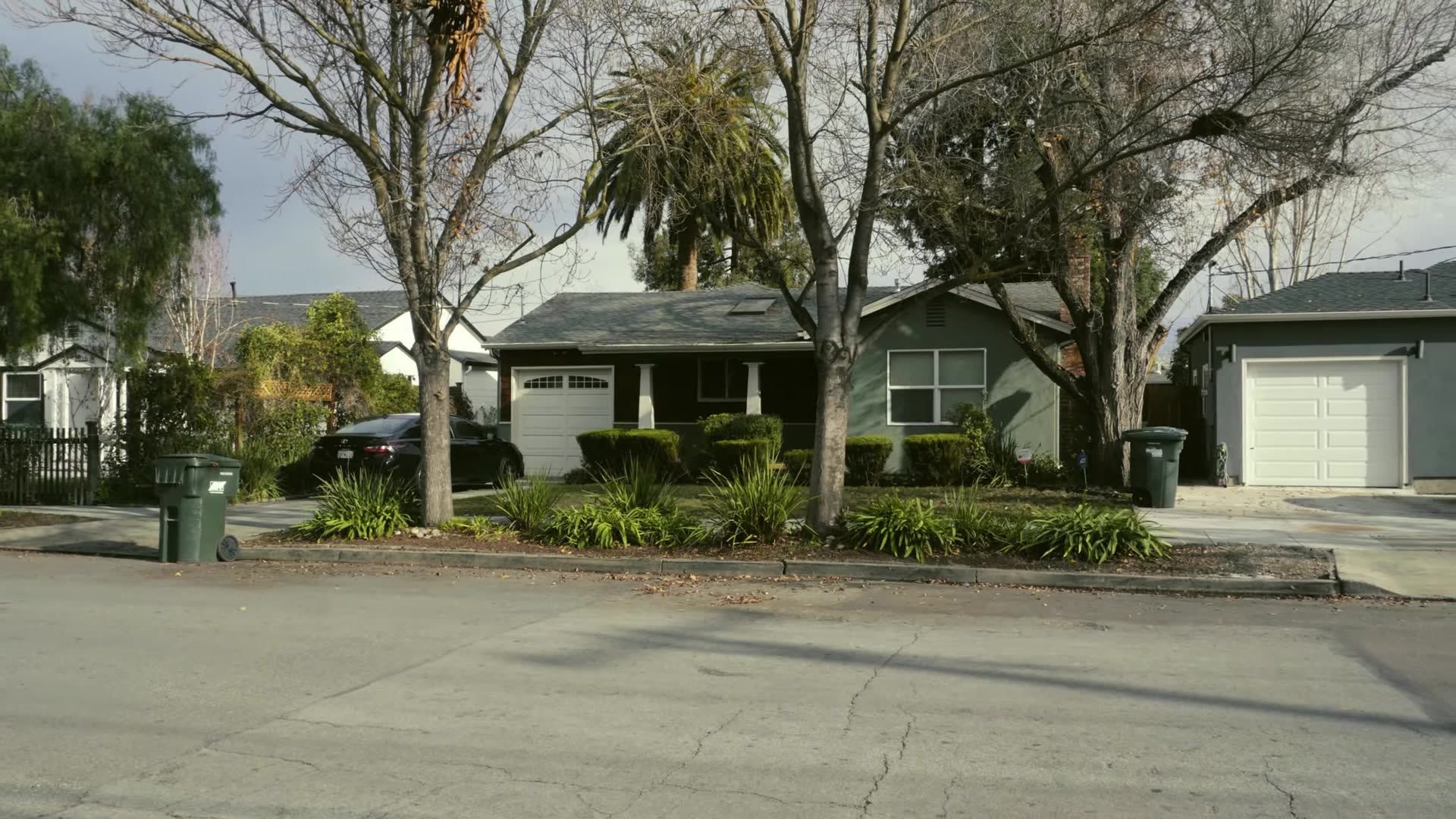
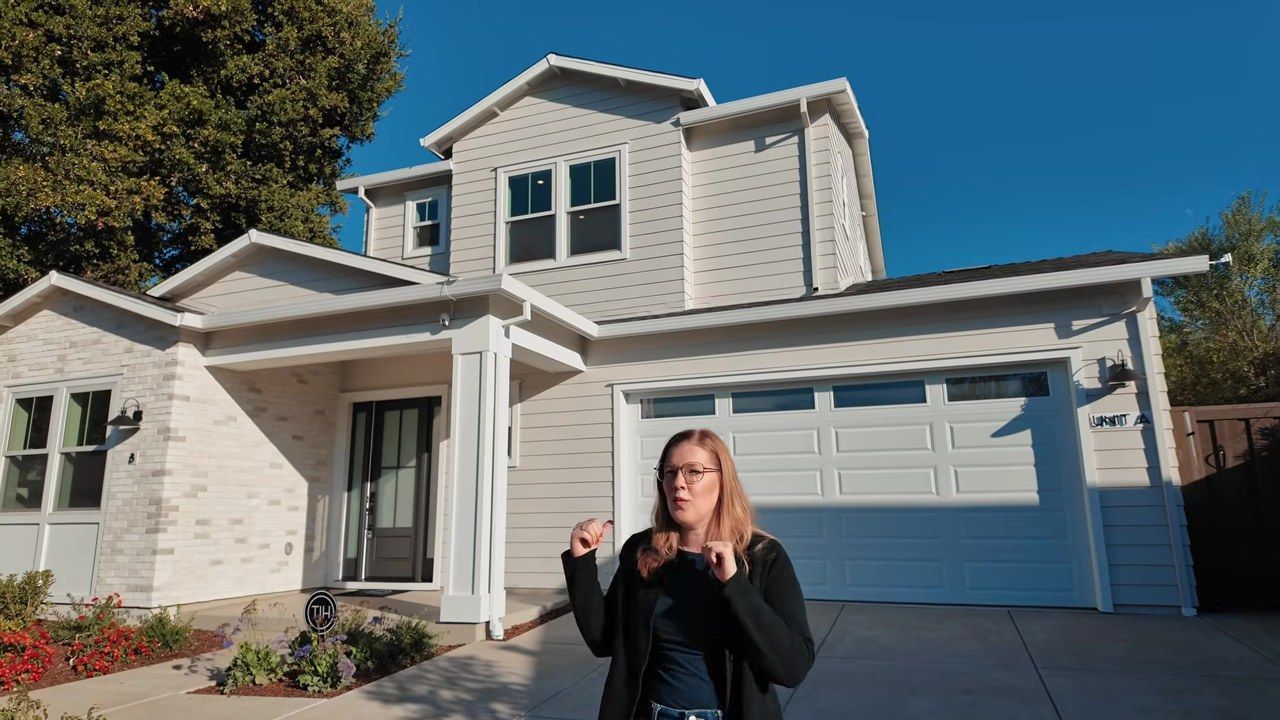
Housing is going to be the biggest part of your budget here. As of November 2026, the median sale price in Redwood City is around $2 million. Homes are selling within about two weeks, typically with multiple offers, and on average they're closing about 5% above asking.
Let me be totally honest with you: don't let the national headlines fool you. When you read that prices are dropping and homes are sitting longer, that's not what I'm seeing here. I recently helped a client buy a charming home on a busy main road, and we still had to compete against other buyers. Silicon Valley moves on its own timeline.
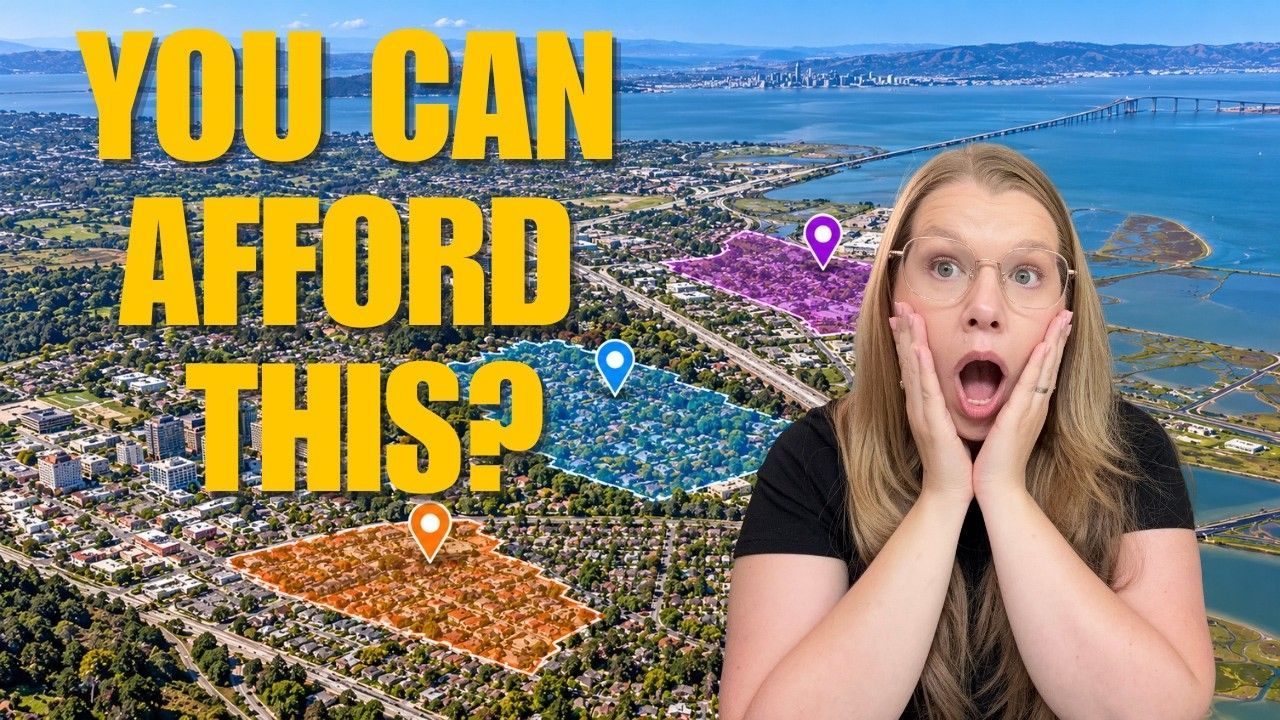
Prices also change a lot depending on which part of the city you're in. Here's roughly what I'm seeing by area:
- Farm Hill: Bigger lots, more space and privacy, with homes generally selling between $2 million and $2.5 million. Some still get peek-a-boo views.
- Emerald Hills: More custom homes, larger lots and better views, and they can exceed $3 million. Most of Emerald Hills has a Redwood City mailing address but is actually unincorporated San Mateo County, which can affect your insurance.
- Mount Carmel and Edgewood Park: Older, charming homes walkable to downtown, anywhere from $2 million to $4 million. Flatter lots, and the larger the lot, the more prime the real estate.
- Central Redwood City and downtown: Lots of condos and townhomes, which are the more affordable way into Redwood City. Single-family homes here usually land in the $1.3 million to $1.5 million range.
- Friendly Acres: One of my favorite value pockets on the Peninsula, usually around $1.3 million to $1.6 million and about a mile from Meta. At the $1.3 million end you're typically looking at a 2 bed, 1 bath. I recently sold a fully renovated, move-in ready home here (3 beds plus an office, two family rooms) for above $2 million.
- Redwood Shores: Single-family homes, a lot of townhomes and condos, lagoons and the Oracle campus. Single-family homes usually start around $2 million, waterfront homes run higher, and a really nice condo typically starts around $1 million. In some communities you can still find condos around $700,000 to $800,000.
Here's what this actually means for you: within one city, you can see a big price difference just by crossing the 101 or El Camino. If you want to compare areas side by side, start with my Redwood City neighborhoods ranked guide and my full Redwood City city guide.
Property Taxes in Redwood City and the Supplemental Tax Bill
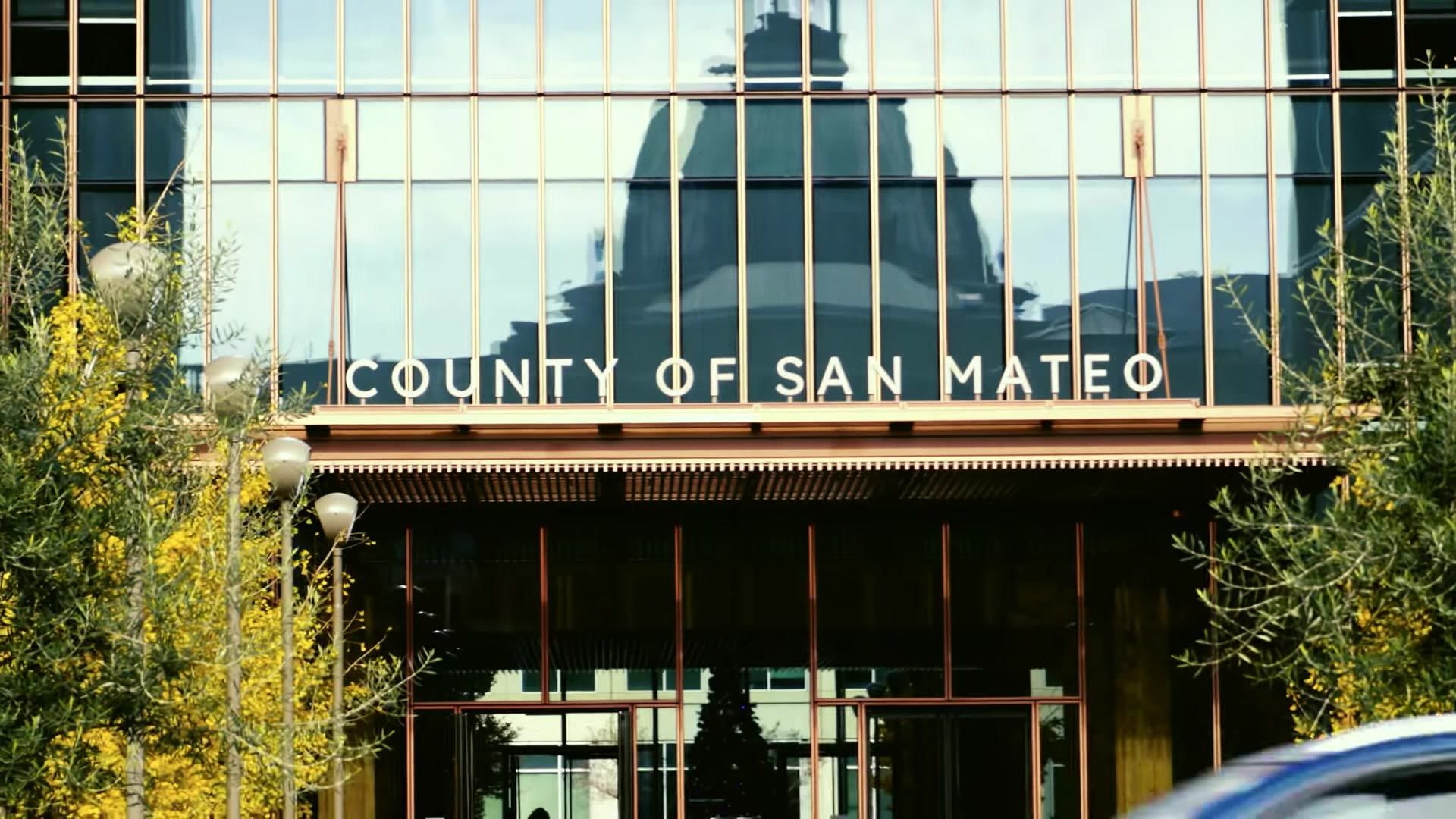
California has something called Prop 13. When you buy a home, the purchase generally sets a new assessed value for property tax purposes. The base rate is 1%, but voter-approved bonds and local assessments are added on top.
In Redwood City, a good rule of thumb for budgeting is roughly 1.15% to 1.3% of the purchase price, although the actual bill depends on the specific property and tax district. On a $2 million home, I'd budget around $23,000 to $26,000 a year, or roughly $1,900 to $2,200 a month, on top of your mortgage.
The good news is that under Prop 13, your assessed value generally can't go up by more than 2% per year. So even if home values around you jump, your assessed value doesn't automatically jump with them.
Here's what nobody tells you, though: the supplemental tax bill. After you close, the county reassesses the property based on the change in ownership and bills you for the difference between the old and new assessed value, prorated by when you bought. Depending on the property and timing, that can easily be thousands of dollars. It's separate from your regular property tax bill, so don't assume your mortgage payment covers it. In San Mateo County, most supplemental bills are mailed within about 9 months of the purchase, so you could be fully settled in by the time it arrives. I always recommend setting money aside for it.
How the Age and Style of the Home Change Your Monthly Costs
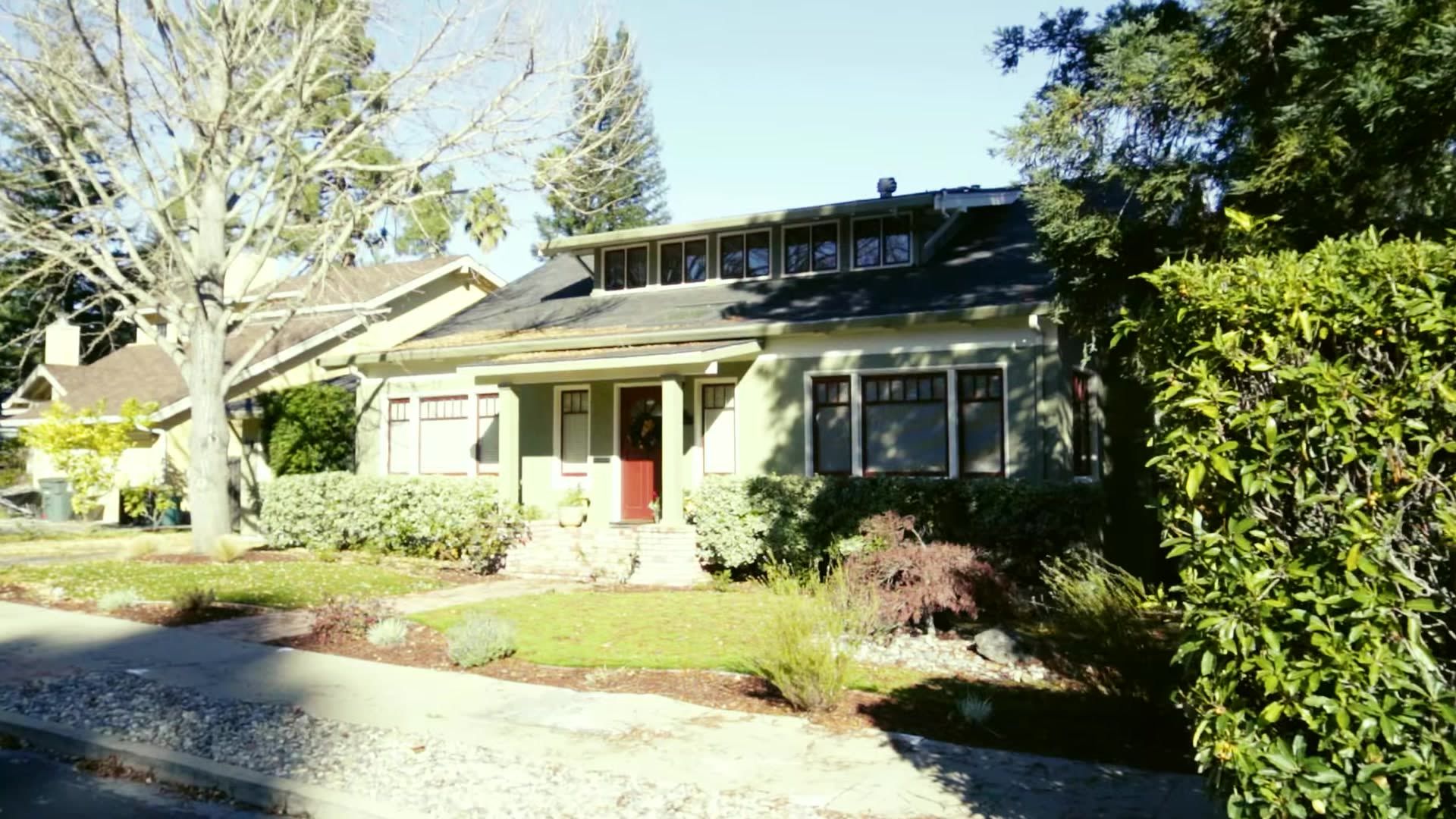
Redwood City has a real mix of homes. You'll find 1920s to 1940s bungalows and Spanish-style homes around Mount Carmel and Central Redwood City, a lot of 1950s ranch homes in places like Roosevelt and Woodside Plaza, and 1970s and 80s townhomes and single-family homes out in Redwood Shores.
I love the older homes, but older usually means more upkeep, especially if the previous owner didn't maintain it well. Original windows, older electrical, old sewer lines and foundation work can all come up. In a 1920s home, I always tell my clients to set money aside for the things you can't see. I had a client move into her home in Emerald Hills, and within a few months the sewer line cracked. That repair was over $20,000.
Something that surprises people coming from places like Texas or Arizona: a lot of older homes here don't have central AC. It's becoming more common, and some homes honestly don't need it because of our weather, but adding it can be a big project. New construction and the newer condos downtown tend to be more energy efficient, many are all-electric, and maintenance is typically lower. You're trading lower upkeep for a higher price per square foot.
None of this shows up in the listing photos. They won't tell you how old the sewer line is, whether the house has AC, or whether it's in the county or the city. And because homes here are so competitive, buyers often have limited room for their own inspections, so we go through all of this with our clients before they ever write an offer.
HOA Fees for Redwood City Condos and Townhomes
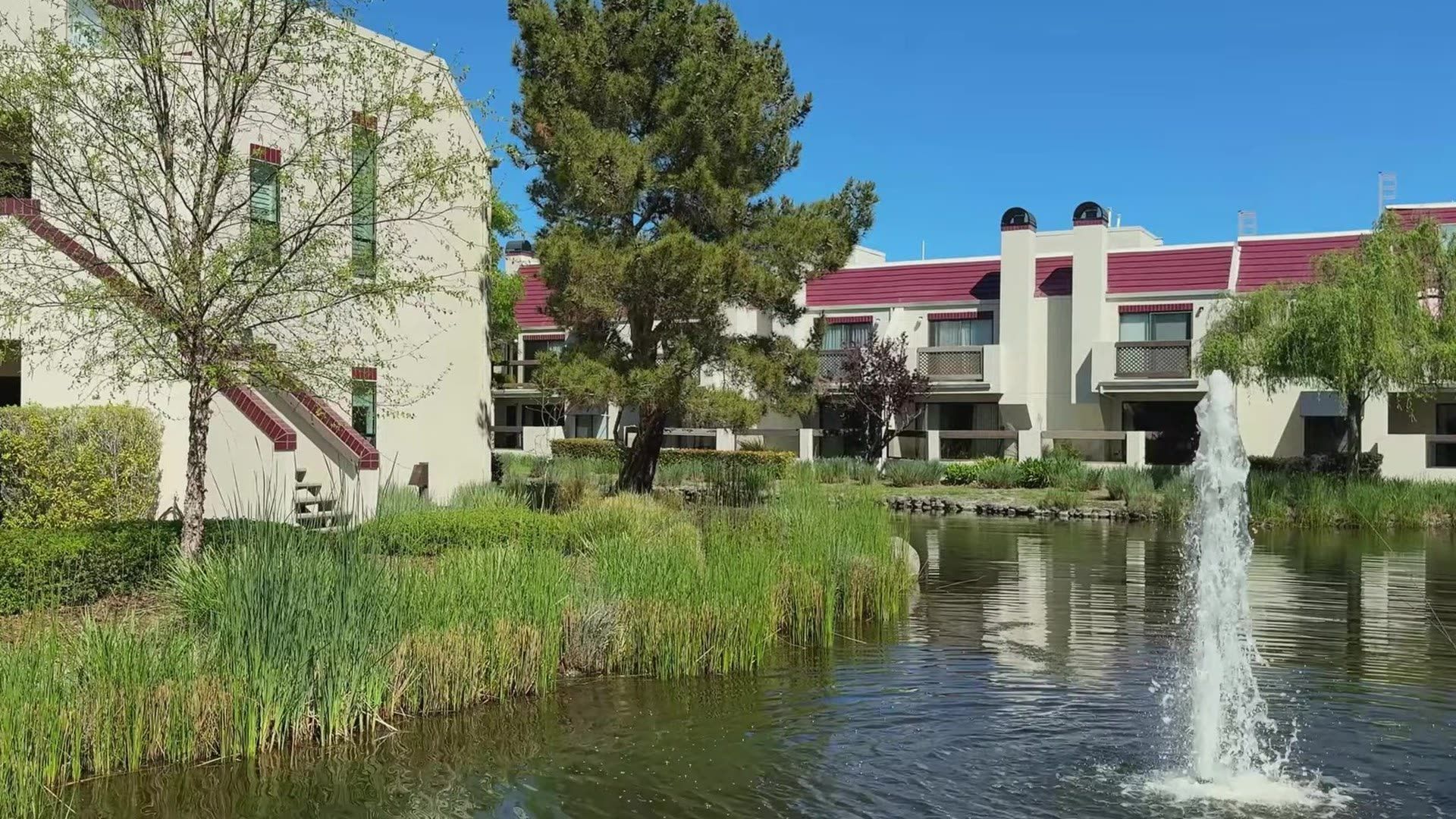
Most single-family homes in Redwood City don't have an HOA. If you're looking at a condo or townhome, especially in Redwood Shores or downtown, it's very likely you will. A few Redwood Shores communities also have an HOA for single-family homes.
As of November 2026, HOA fees here run from a few hundred dollars a month, typically around $800, and I've seen a few go past $1,000. That usually covers exterior maintenance, landscaping and insurance on the building, and sometimes water, garbage, pools and savings for future repairs like roofs.
When you buy a condo or townhome, you'll get the HOA's financials and reserve studies, and I can't emphasize enough how important it is to read them. We've continuously seen HOA dues rise, and if the reserves are low, a special assessment could be coming. That's a bill you probably didn't plan for. For a condo or townhome, add up your mortgage, property tax and HOA. That's the number to plan around. If downtown condo living appeals to you, my Downtown Redwood City neighborhood guide is a good next read.
Utilities in Redwood City: Electricity, Water, Sewer and More
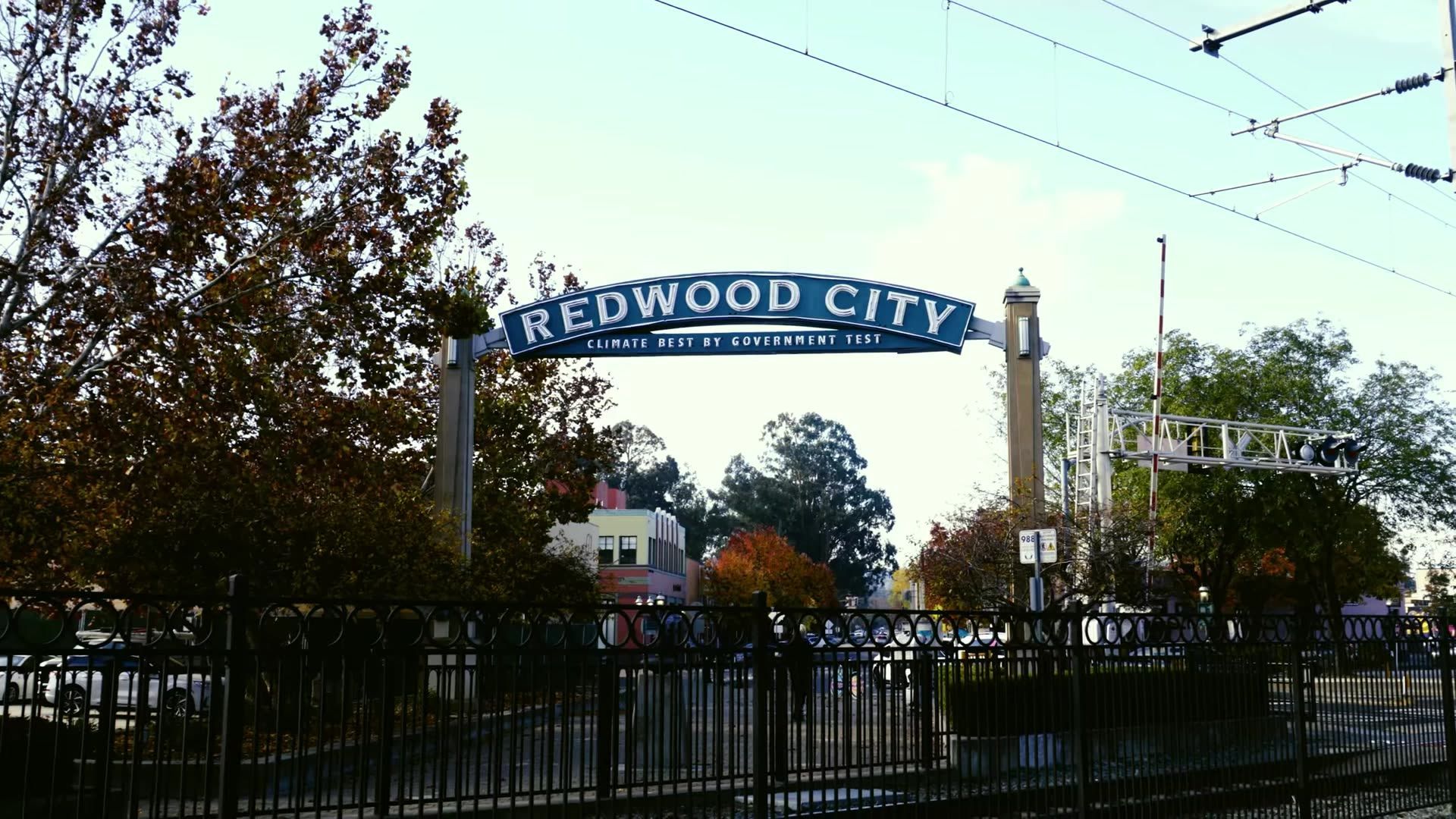
Redwood City's slogan is literally "Climate Best by Government Test," and the weather really does help your bills. Summers are warm but not brutal, winters are cool with no snow, and a lot of people barely run the heat or AC beyond a few days a year. We usually get one heat wave over a summer weekend and that's about it.
Electricity: Your power is delivered by PG&E, and in Redwood City your electricity generation usually comes through Peninsula Clean Energy. You'll see both on the same bill. California electricity rates are some of the highest in the country. Starting in March 2026, PG&E changed how residential bills are structured: most customers now pay a fixed charge of about $24 a month, and the per-kilowatt-hour price was lowered. For a household using around 700 to 750 kilowatt hours a month, budgeting around $300 a month is reasonable. Smaller homes and condos typically come in lower, while larger homes, bigger families, EV charging and heavier AC use push it higher.
Water and sewer: These generally go through the City of Redwood City, and residential customers are billed every two months. Right now there's a base water service charge of about $46 a month, plus the water you use. For a typical single-family home, I'd budget around $100 to $120 a month for water, more with a bigger household or more landscaping. Sewer is the one that surprises people. For a single-family home it's currently a flat $111.90 a month. Between water and sewer, budgeting about $200 to $230 a month is reasonable, which means the bill that shows up every two months could be around $400 to $460. Redwood City also has additional water rate increases approved for the next couple of years.
Garbage and internet: Garbage is on top of that, and the price depends on your cart size (smaller cart, smaller bill). Internet depends on your provider and plan.
Getting Around: Commute Times, Gas Prices and Caltrain
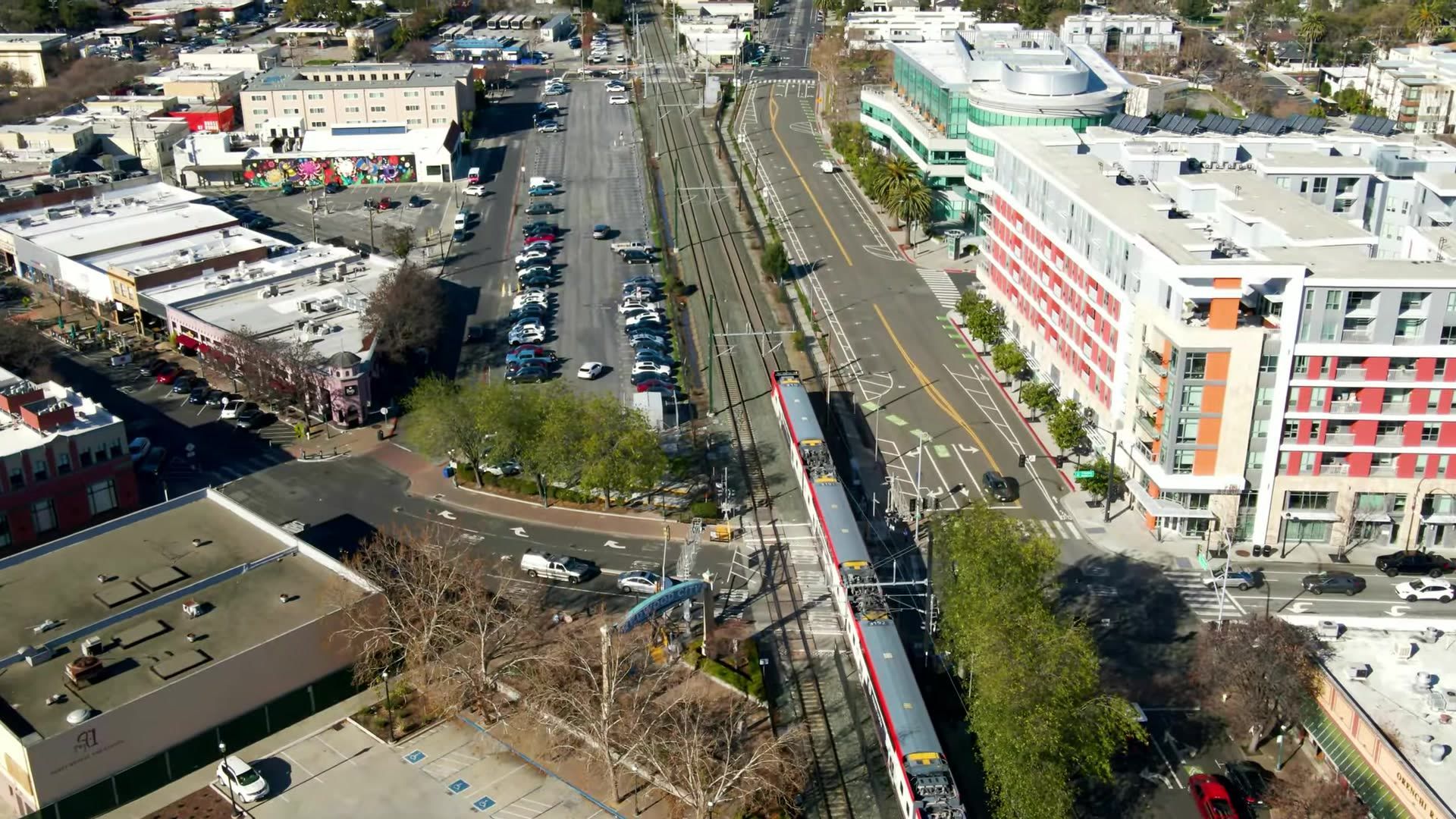
Redwood City sits right in the middle of the Peninsula, and that's one of the best things about it. You've got the 101 on the east side, the 280 on the west side, and Woodside Road (Highway 84) running through the middle. Typical drive times without bad traffic:
- Meta: about 10 to 15 minutes
- Oracle in Redwood Shores: about 10 to 15 minutes
- Google in Mountain View: 20 to 25 minutes
- Apple Park: about 30 minutes
- San Francisco: 35 to 40 minutes
With traffic, give yourself more time. California also has the highest gas prices in the country. At the time of filming, the statewide average was about $6.38 a gallon for regular, and the Bay Area usually runs a little higher, so a daily driving commute adds up. Car insurance and registration here are usually more expensive than what people pay in a lot of other states, too. Silicon Valley is known for its electric cars for a reason. I had a client buy a Tesla right after closing, now that they had their own space to charge it.
The good news is that Redwood City has a Caltrain station right downtown, and it's an express stop, so you can get to San Francisco faster without stopping at every station. Caltrain is electric now, faster and quieter than before. A one-way ride from Redwood City to San Francisco runs about $6.25, and a lot of big employers may cover transit passes. If you live near downtown or take the train, you can cut your gas and parking costs way down, and that's one of the big reasons people choose to live near downtown.
Groceries, Dining Out and Sales Tax in Redwood City
Groceries here cost a lot more than what most people are used to. I moved from Southern California to the Bay Area and was still shocked at the difference in my grocery bill. You do have options for different budgets: there's a Costco on Middlefield, plus Safeway, Whole Foods and Sigona's Farmers Market on Middlefield, a local favorite for produce.
The taquerias along Middlefield Road are some of the best on the Peninsula and one of the most affordable ways to eat out. Eating out downtown around Courthouse Square costs more, because you're paying for the dinner-out experience. A nice dinner for two can easily run $100 or more. And keep in mind that the sales tax in Redwood City is 9.875%, so add almost 10% to whatever the price tag says.
How Redwood City's Growth Affects What You'll Pay
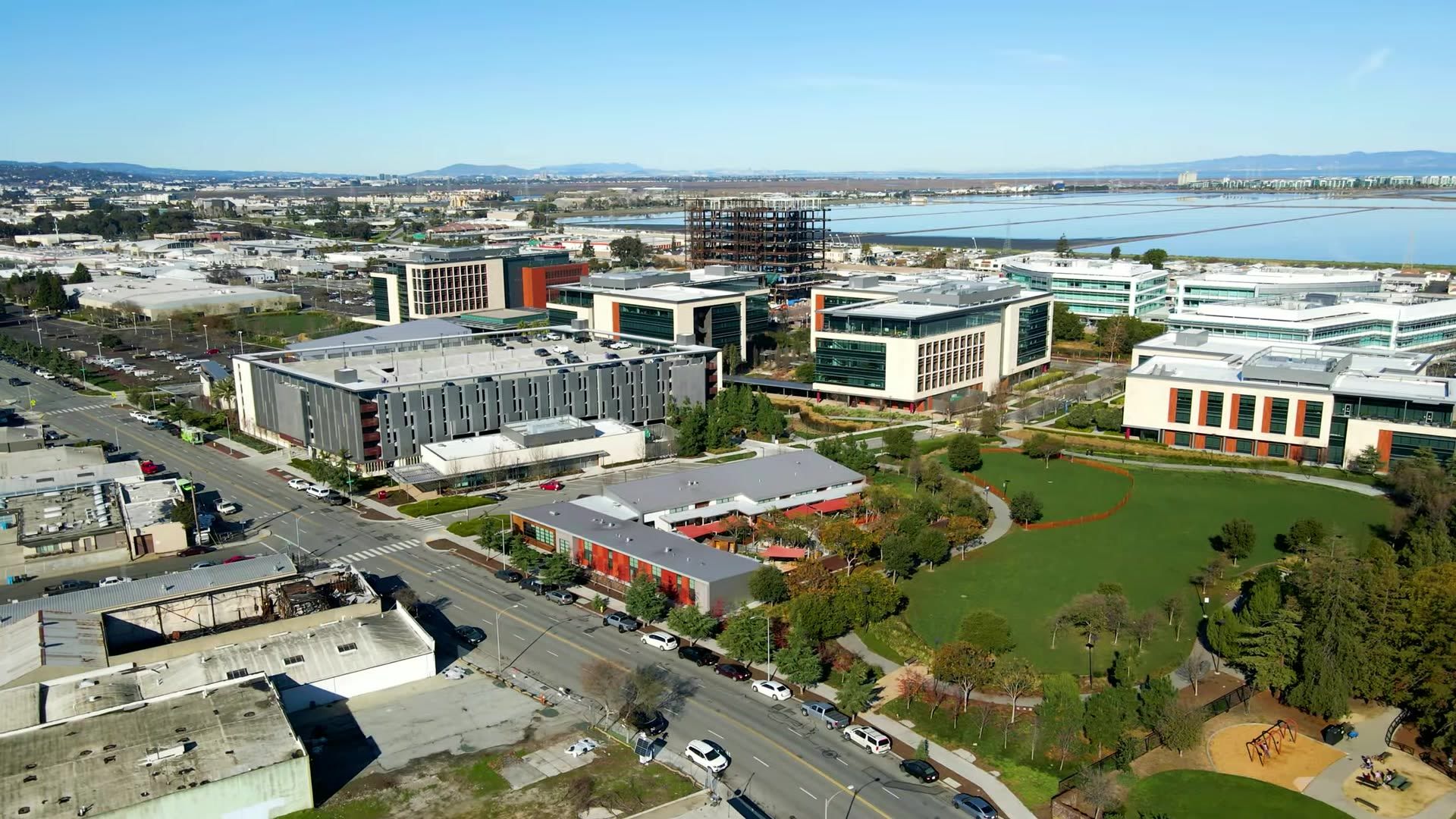
Redwood City has been growing quite a bit. Downtown has changed so much over the last 10 years, with a lot of new apartments, offices and condos within walking distance of Caltrain. That brought more restaurants, more people downtown and more housing options at different price points.
Stanford has a large campus off Broadway, right next to the Friendly Acres neighborhood. They've been building a nine-story medical office building there since 2025 and have proposed a major cancer center on that campus too. That brings jobs, and when jobs come in, demand for nearby housing usually follows. Many people get priced out of Palo Alto, where Stanford's main campus is, and I'm a strong believer that this part of Redwood City is going to grow fast because of it.
Out in Redwood Shores, the city approved a big project to connect and raise about 7 miles of levees by about 3.5 feet to protect against flooding and sea level rise, with a goal of finishing by 2034. A similar project was recently completed in Foster City.
So what does that mean for your cost of living? When a city invests like this, prices don't usually go down. I've had clients tell me for the past five years that they're waiting for rates or prices to drop, and that hasn't happened here. If you want to know which Redwood City pockets we think have the most room for growth over the next 5 to 10 years, bring that question to a call with us.
Schools in Redwood City: Public Boundaries and Private Tuition
If you have kids or are planning on them, schools will affect where you buy and what you spend. Most of Redwood City is in the Redwood City School District for kindergarten through 8th grade, then the Sequoia Union High School District for high school. Redwood Shores is different: it's in the Belmont-Redwood Shores School District for elementary and middle school. Parts of Emerald Hills and the west side can also feed into different schools than you'd expect.
Not every Redwood City address means the same schools, so check the attendance boundary for the specific address every time, look at third-party ratings like GreatSchools or Niche, and call the district to be 100% certain. A few examples of ratings at the time of filming: Roy Cloud School on the west side was rated 9 out of 10, Sequoia High School near downtown 7 out of 10, John F. Kennedy Middle 7 out of 10, and Roosevelt Elementary 4 out of 10.
A lot of families here also go private, and the Peninsula has some of the best private schools in the country. They're a big expense. For example, Menlo School in Atherton is about $67,000 a year, per child. And private school isn't even the education-related cost that shocks families the most (more on that below).
Free Things to Do in Redwood City on the Weekends
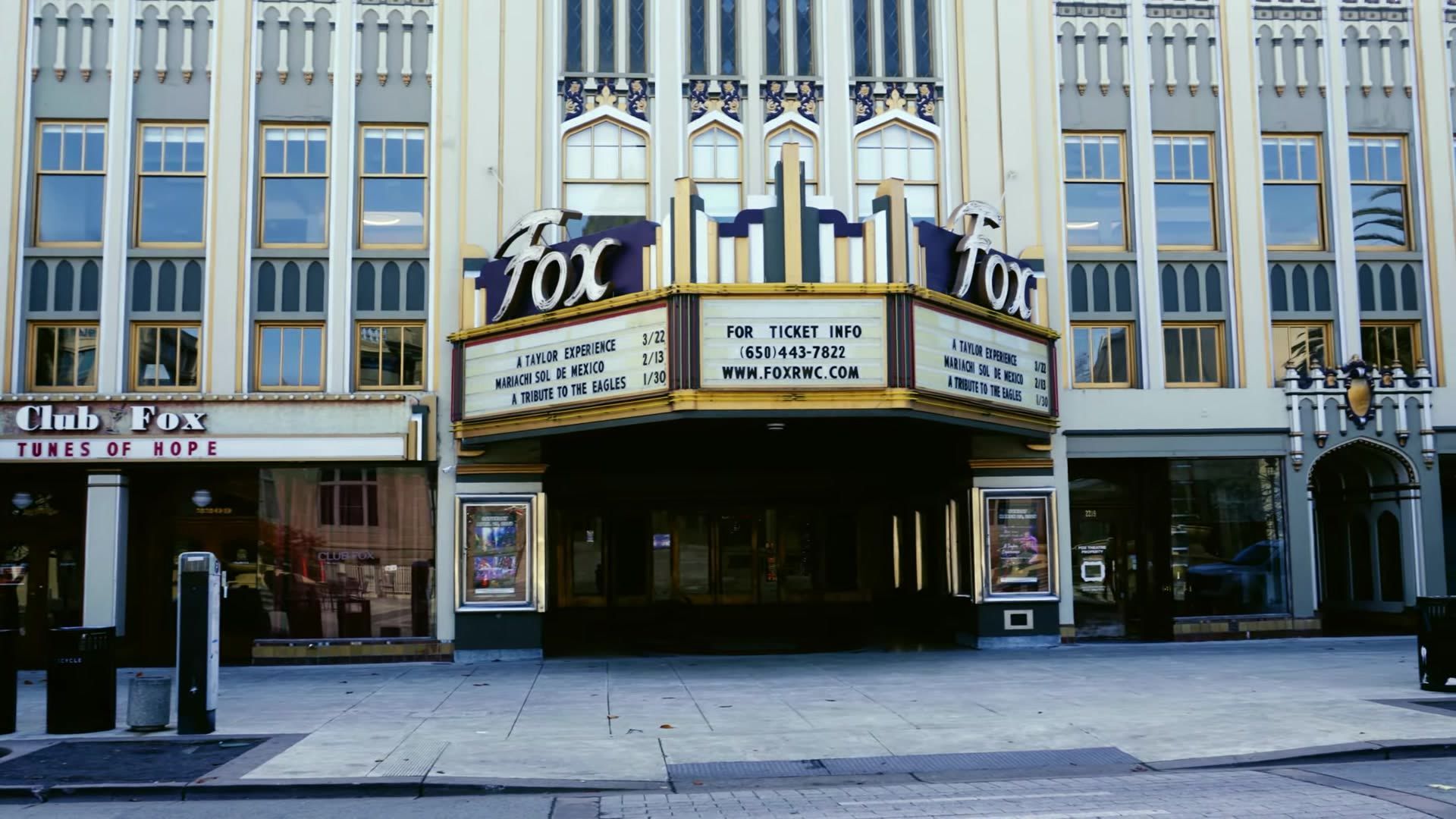
Here's the part that makes Redwood City feel like home, and a lot of it is free. Courthouse Square is the heart of downtown. In the summer there's Music on the Square with free Friday night concerts, plus Movies on the Square, and the Fox Theatre has shows all year. The 4th of July parade is one of the biggest on the Peninsula, with people lining up their chairs the night before. There's a Saturday farmers market downtown from April to November, known as one of the oldest operating farmers markets on the San Francisco Peninsula, and a holiday tree lighting downtown in December.
A lot of weekends here won't cost you much at all. Wake up, grab a coffee, head to a park or trail, and you're set. Edgewood Park has free wildflower hikes in the spring, Pulgas Ridge Open Space has a big off-leash area for dogs, and the Midpeninsula open space preserves in the hills are free too. On the bay side, there's the Bay Trail and Bair Island for walking and biking, and you can rent kayaks and paddle boards at the Port of Redwood City. Bigger county parks like Huddart Park in Woodside are close by (that one doesn't allow pets and has a $6 parking fee). You're also about 30 to 40 minutes from the coast, so Half Moon Bay, the beaches and the redwoods are a free day trip besides gas. Living well without spending much on weekends helps a lot when housing costs are higher.
Airports Near Redwood City
If you travel for work or fly back and forth to see family, Redwood City is a great location. SFO is only about 20 minutes up the 101. It's an international hub with direct flights almost anywhere, but it's big and busy, and parking isn't cheap. San Jose International is about 25 to 30 minutes south, smaller, easier to get through, and sometimes cheaper for domestic trips. Oakland is another option across the bridge if the fare is better, and if you fly private, the San Carlos airport is basically next door. Having all of these within about 40 minutes means you can shop around for flights, which saves money and headaches.
Homeowners, Earthquake and Flood Insurance in Redwood City
A few more costs are pretty specific to this area, and I want you to know about them before you buy. California's homeowners insurance market has been rough the past few years, and some big companies stopped writing new policies or pulled back. In the flatter parts of town it's usually manageable, but in hillside areas like Emerald Hills, wildfire risk can make insurance harder to get and more expensive. Some homeowners end up on the California FAIR Plan plus a separate policy, and that adds up. Get an insurance quote early, before you're deep into a purchase.
Earthquake insurance isn't included in your homeowners policy. It's separate and optional. Some buyers get it and some don't, but it's worth getting a quote so you can decide. Parts of Redwood Shores and the east side sit low near the bay, so depending on the address and the flood map, flood insurance might be required or just a really good idea. The levee project I mentioned above is a big part of keeping Redwood Shores protected long term.
The Cost That Surprises Almost Every Family: Childcare
The cost that shocks almost every family moving here is daycare. Full-time infant care at a center in San Mateo County averages about $33,700 a year, as of the time of filming. That's about $2,800 a month, which is like paying a second rent. Preschool averages about $26,600 a year. Those are just averages. If you have little ones or are planning on them, put this into your budget before you pick a house, and get on waitlists early, because the good ones fill up fast.
Redwood City Cost of Living at a Glance
- Housing: median sale price around $2 million (as of November 2026)
- Property tax: roughly 1.15% to 1.3% of the purchase price per year, plus a supplemental bill after you close
- HOA: typically around $800 a month for condos and townhomes, sometimes over $1,000
- Electricity: around $300 a month for 700 to 750 kWh, with mild weather keeping heating and cooling down
- Water and sewer: about $200 to $230 a month, billed every two months
- Gas: over $6 a gallon, with an express Caltrain stop downtown ($6.25 one way to San Francisco)
- Sales tax: 9.875%
- Childcare: about $33,700 a year for full-time infant care in San Mateo County
Redwood City is a great fit if you want to be in the middle of the Peninsula, close to Meta, Oracle, Stanford, Google and San Francisco. It works for people who want a real downtown with things to do, families who want options from condos to the Shores to bigger lots on the west side, and anyone who wants great weather and lots of free outdoor time without paying Palo Alto or Atherton prices.
FAQs About the Cost of Living in Redwood City
What is the median home price in Redwood City? As of November 2026, the median sale price is around $2 million. Condos and townhomes downtown and in Redwood Shores are the more affordable entry point, and some Redwood Shores condos still sell around $700,000 to $800,000.
How much are property taxes in Redwood City? A good budgeting rule is roughly 1.15% to 1.3% of the purchase price per year. On a $2 million home, that's about $23,000 to $26,000 a year, plus a one-time supplemental bill that usually arrives within about 9 months of closing.
How much are utilities in Redwood City each month? As a rough budget, plan on around $300 a month for electricity and $200 to $230 a month for water and sewer in a typical single-family home, plus garbage and internet. Your actual bills depend on your household size and usage.
Do Redwood City homes have HOA fees? Most single-family homes don't. Most condos and townhomes do, typically around $800 a month as of November 2026, and a few Redwood Shores single-family communities have one too.
Do I need flood or earthquake insurance in Redwood City? Earthquake insurance is optional and separate from your homeowners policy. Flood insurance depends on the address and flood map, and it may be required in low-lying parts of Redwood Shores and the east side.
Is Redwood City cheaper than Palo Alto? For many buyers, yes. Redwood City offers a central Peninsula location and a range of price points, from condos to larger lots, without Palo Alto or Atherton prices.
Thinking About Moving to Redwood City?
Watch the full breakdown on YouTube: The REAL Cost of Living in Redwood City: What You Need to Know in 2027!
We help buyers and sellers relocate to Silicon Valley and the Peninsula every week. If you're planning a move, we'll look at your budget, your commute and what matters to your family, and figure out which part of Redwood City (or which nearby city) fits your life. Call or text 650.436.4768, email hello@liveinsiliconvalleyca.com, or reach out here. And if you already own in Redwood City and are thinking about selling, I'm happy to walk you through what your home could sell for in today's market.
The figures in this post reflect estimates and information available at the time of filming in November 2026. Prices, rates and fees change, so confirm current numbers for any specific property, utility or school before you make decisions.